Your Online Resource for the Latest News in Cybersecurity
Our picks
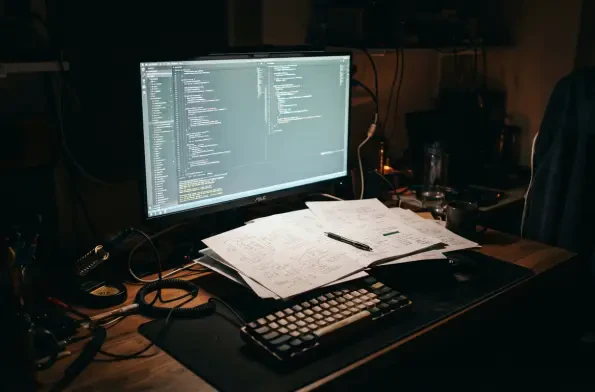
The rapid evolution of autonomous artificial intelligence has introduced a sophisticated new threat landscape where the very tools designed to enhance developer productivity are now being subverted through common text documents. Security experts have
The landscape of enterprise networking underwent a significant security overhaul this week as Cisco deployed thirty-four critical patches to address flaws that could compromise the integrity of global digital infrastructure. Cisco’s recent release

When a developer in a modern tech hub prompts a sophisticated large language model to secure a cloud database, they may inadvertently be inviting a digital saboteur into their foundational architecture. The lines of code powering a new application ar

The transition from simple chatbots to autonomous entities requires a protective layer that bridges the gap between AI capability and operational safety. This necessity has become the driving force behind the recently unveiled OpenShell Reference Arc

Specialist insurance products with limits up to £650 million are emerging as the only viable way to bridge the gap between digital security and physical asset protection. For years, the global insurance market has operated on a bifurcated model, met
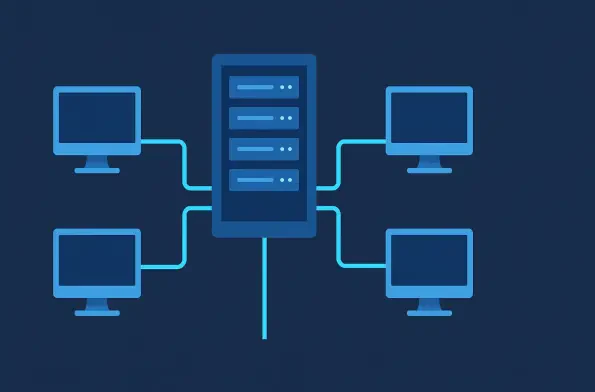
Malik Haidar has spent years in the trenches of global cybersecurity, steering multinational giants through the murky waters of state-sponsored espionage. As an expert in threat intelligence and business-centric security, he brings a unique perspecti
Public companies now face escalating pressure to demonstrate that their backups can actually be restored under the pressure of a live ransomware attack. This demand represents a fundamental shift in how trust is established between digital partners,

Saudi digital security experts recommend verifying any urgent request for money received via audio recording through a completely separate and trusted communication channel. This core advice serves as the primary defense in the Kingdom’s newly laun

Navigating the American healthcare system often feels like an endless cycle of redundant paperwork and digital logins that drain the energy of even the most organized patients. This administrative friction, while seemingly minor in isolation, creates

Future-ready security frameworks must synchronize efforts between law enforcement and the private sector to combat the destabilizing effects of synthetic media. This imperative forms the backbone of a landmark study recently released by the Dubai Pol

The rapid integration of autonomous AI agents into the core infrastructure of modern cloud environments has introduced a sophisticated attack surface that many organizations are currently struggling to secure effectively against malicious actors. A r

Zero-trust frameworks for autonomous agents require token verification and continuous monitoring to prevent the unauthorized execution of complex digital tasks. The rapid integration of autonomous systems into the federal workflow has altered the cyb

Economic operators face potential fines of up to 15 million euros or 2.5 percent of global turnover if they fail to comply with the new cybersecurity mandates. This landmark legislation, formally known as Regulation (EU) 2024/2847, has effectively te

Malik Haidar has spent his career at the front lines of cybersecurity, defending multinational corporations from the most elusive digital adversaries. With a deep background in threat intelligence and security analytics, he specializes in identifying

Endpoint Detection and Response tools monitor laptops, servers, and virtual machines by collecting and analyzing vast streams of real-time telemetry data. This transition marks a departure from the era of static defenses where the primary goal was si

Active exploitation patterns indicate that threat actors are dropping malicious binaries and establishing persistence by modifying critical system configuration files. This discovery has forced a rapid shift in defensive priorities for many global or